The Importance of Lactation Rooms in the Workplace

May 19, 2025

Key Takeaways

  • More than 80% of new mothers in the U.S. begin breastfeeding, and 6 in 10 new mothers are in the workforce, according to the U.S. Department of Health & Human Services.
  • The 2022 PUMP Act requires employers of all sizes to provide break time and a private space for lactating workers, though it doesn’t mandate a dedicated, permanent room.
  • Volvo Group took a phased, employee-driven approach to lactation spaces, growing to seven rooms at its Greensboro campus with input from its Caregivers Employee Resource Group.
  • An effective lactation room includes comfortable seating, electrical outlets, nearby sink access, and privacy, with a refrigerator as a helpful but not required addition.
  • Family Forward NC® Certified employers like GTCC, Charles Aris, and Thompson Traders each designed lactation spaces suited to their size, from multi-campus systems to single-room headquarters.

Today, more than 80% of new mothers in the U.S. begin breastfeeding, and 6 in every 10 new mothers are in the workforce, according to the U.S. Department of Health & Human Services.

Research shows that supporting breastfeeding employees benefits both families and businesses through reduced absenteeism, higher retention rates and increased productivity. However, many working mothers stop breastfeeding earlier than planned due to workplace barriers.

In 2022, Congress passed the Providing Urgent Maternal Protections (PUMP) Act, where employers of all sizes are required to provide a reasonable amount of break time and a clean, private space for lactating workers of all genders to express milk for up to one year following the birth of the employee’s child.

However, the law does not require employers to have a dedicated, permanent lactation space. Yet this is something that working mothers need.

As more North Carolina employers recognize this need, lactation rooms are becoming increasingly common in workplaces. But what makes an effective lactation room, and why should businesses invest in creating these spaces?

We contacted several Family Forward NC® Certified employers to find out.

Volvo Group: A phased approach to supporting nursing employees

At Volvo Group’s North American headquarters in Greensboro, supporting nursing parents has become a priority through their Caregivers Employee Resource Group (ERG), which was formed last year.

The ERG has been focused on ensuring Volvo not only meets compliance with the PUMP Act, but goes beyond the minimum requirements to create supportive spaces.

Their approach has been methodical, starting with an audit of their 66 North American sites to assess the current state of lactation facilities. Their vision for “best” includes offering amenities like sinks, refrigerators, comfortable furniture and supplies.

One of their model locations in Maryland features a shared hallway with a sink, refrigerator and supplies, with sectioned-off private rooms — similar to dressing rooms — allowing multiple parents to express milk simultaneously while maintaining privacy.

At their Greensboro campus, Volvo Group has seven lactation spaces, with one being actively constructed. While construction is underway, they’ve even installed a Mamava pod — similar to those seen in airports — to ensure adequate accommodations.

For businesses looking to create or improve their lactation facilities, the Volvo Group team offers this advice:

“Ask your employees who have used these resources what they’re looking for,” says Brittany Carty, Director, Employee Experience and People & Culture Communication at Volvo Group. “Having a great space will allow the employees to continue their pumping journey and keep working moms in the workforce.”

Why lactation rooms matter

Lactation support specialists emphasize that these dedicated spaces serve multiple purposes that benefit employees and employers.

The pressure and stress of returning to work while breastfeeding can be immense. Having proper accommodations means parents don’t have to choose between their job and feeding their baby. This has tangible benefits for employers, too.

“For breastfed babies, there’s a lesser risk of infection and sickness, which means parents will take less time off,” says Marketa Baker, a community health educator at Every Baby Guilford.

Perhaps the most compelling reason for creating quality lactation spaces is the impact on employee retention and satisfaction.

“When you become a parent, you want to feel supported,” Baker says. “And so your workplace being able to be an extension of your support is a beautiful thing.”

Baker says an effective lactation room should include:

  • Comfortable seating.
  • Electrical outlets.
  • A surface to place the pump.
  • Nearby sink access for cleaning.
  • Enough space to feel comfortable; not cramped.
  • Easy access without needing to track down keys.
  • Privacy to help parents relax and separate from the work environment.
  • A refrigerator, while not required, is highly beneficial for milk storage. Alternatively, ensuring the room is near a communal refrigerator or providing space for cooler bags with ice packs can work.

Learn more about how your company can support breastfeeding workers from Family Forward NC®.

3 more examples of Greensboro business leaders paying attention to lactation rooms

Here’s what a few more Family Forward NC® Certified employers said about their lactation rooms.

Guilford Technical Community College (GTCC) covers 257 acres and employs more than 1,400 full-time and part-time people. There are eight designated lactation rooms across the college’s seven campuses and locations.

“As a college that supports the development of students, we understand the importance of mother and newborn bonding,” says Dr. Cheryl Bryant-Shanks, associate vice president of human resources at GTCC. “For nursing moms, we’re happy to provide spaces across our campuses that are comfortable and private.”

Charles Aris, employs 98 people nationwide and has 33 team members working in or around their Greensboro headquarters. They have one lactation room.

“When we built our building, we added this in as part of the core design because it was important to us to support all employees’ needs, especially working mothers,” says Danielle Bowman, the company’s chief people officer. “Our room has a recliner chair, a refrigerator, storage space, lactation supplies and a sink. Our team has shared with us that they appreciate having this dedicated space.”

Clifford Thompson, president and co-founder of Thompson Traders, Inc., wanted to go “beyond the basics” when he re-designed his company’s lactation room in 2023. He bought new couches, a TV, a refrigerator and artwork to make the space as comfortable and relaxing as possible.

“This was a renovation project our team was proud of,” Thompson says. “I encourage my fellow Greensboro CEOs to look at their lactation rooms and ask themselves: ‘How can you improve this space?’ It makes a big difference in employee morale.”

For more information, Family Forward NC® shares several ways to support breastfeeding employees in your workplace.

Here are a few more ways you can support

Send us your photos

Do you have a beautiful lactation room? We’d love to see it! Send us your best picture and we’ll post it on social media!

A Quick & Easy Guide to Small Business Insurance in NC

May 14, 2025

Key Takeaways

  • North Carolina only legally requires commercial auto insurance and workers’ compensation, but businesses can benefit from several other optional coverage types.
  • A Business Owner’s Policy combines general liability and commercial property insurance, often at a lower cost than purchasing each separately.
  • Businesses with three or more employees must carry workers’ compensation insurance or be certified as self-insured under the North Carolina Workers’ Compensation Act.
  • Professional liability insurance protects service-based businesses, like accountants and real estate agents, from claims related to service mistakes and may be required for state licensing.
  • Business interruption and commercial flood insurance help protect companies from lost revenue and property damage caused by natural disasters or supply chain disruptions.

Navigating the world of small business insurance can feel overwhelming, but it doesn’t have to be. Whether you’re launching a new venture or growing an established company, the right insurance coverage helps you manage risk and protect your future.

If you’re starting a small business in North Carolina, you’ll need to decide what insurance you’ll be purchasing. While North Carolina only requires businesses to purchase commercial auto insurance (for businesses that own vehicles) and workers’ compensation (for businesses with three or more employees), you can find a few other types of insurance plans that can be well worth the cost.
As you try to reduce your business’s financial risk, you should be aware of the primary types of small business insurance in North Carolina and what businesses they’re best for.

The 9 Types of Small Business Insurance in North Carolina

From general liability insurance and workers’ compensation to business owners’ policies and commercial auto insurance, you have lots of small business insurance options. Before you make a decision on which plan you need, take a moment to review the nine most common types of small business insurance plans in NC below:

1. General Liability Insurance

General liability insurance is the most popular type of small business insurance in North Carolina since it protects companies from common liability issues. For example, personal injury by a third party, property damage, and bodily injury are typically covered by general liability insurers. If your business has this insurance, you’ll be covered if you or an employee damages property that isn’t owned by your company or if a non-employee gets hurt.

2. Commercial Property Insurance

Another very common type of small business insurance in North Carolina is commercial property insurance. This type of insurance policy protects your equipment and property from loss, damage, or theft, making it a good choice for any company with expensive property and equipment. However, if your business primarily relies on remote workers, you may be able to skip this insurance without taking on much risk.

3. Business Owner’s Policy

If you plan to purchase general liability and commercial property insurance, you might want to consider a Business Owner’s Policy (BOP). This type of insurance policy combines general liability and commercial property insurance. Typically, the rate for BOP will be cheaper than if you bought commercial property and general liability insurance separately, making it a cost-effective option for companies that need both.

4. Workers’ Compensation Insurance

Due to the North Carolina Workers’ Compensation Act, businesses that have three or more employees must be certified as self-insured or have workers’ compensation insurance. These requirements apply to limited liability companies, partnerships, corporations, and sole proprietorships. If you select the self-insured option, your business will have to assume all financial responsibility for its employees’ workers’ comp claims and will have to manage the claims process yourself.
Since workers’ comp claims can be quite costly, many companies choose to purchase workers’ compensation insurance. With this no-fault insurance, the provider will pay workers for missed workdays due to injuries. Alongside covering lost wages, workers’ compensation should cover at least some of the medical expenses related to a work-related injury or illness.

5. Professional Liability Insurance

Also called errors and omissions insurance, professional liability insurance protects businesses from claims of service-related mistakes. Some professionals who provide advisory services may need this insurance to meet state licensing requirements. Accountants, real estate agents, brokers, IT professionals, and other professionals who provide advisory services often benefit from having this insurance.

6. Commercial Auto Insurance

Due to North Carolina’s laws, any business that uses vehicles in their work must have commercial auto insurance. If you use a vehicle in the course of business, commercial auto insurance will protect your company from financial losses due to injuries, accidents, or property damage involving company-owned vehicles. These plans are usually very similar to personal auto plans but with more tailored coverage for business risks. North Carolina’s minimum liability limits for a company’s commercial auto insurance include:

  • $30,000 per person for bodily injury
  • $60,000 per accident for bodily injury
  • $25,000 per accident for property damage

7. Business Interruption Insurance

Business interruption insurance protects companies from various events that could cause production to shut down. For example, supply chain problems and natural disasters could interrupt production, resulting in lost revenue. With business interruption insurance, you’ll insure your income and protect your company against financial loss.

8. Commercial Flood Insurance

Businesses located in parts of North Carolina that are at risk of flooding should seriously consider commercial flood insurance. This insurance plan protects your premises and physical assets from flood damage, which can save your business from having to pay for expensive repairs to your business, as well as any equipment and inventory you might have to replace.
Businesses that operate in parts of North Carolina that experience harsher winters with quick thawing in the spring are more prone to flooding and should usually purchase commercial flood insurance. Similarly, businesses in parts of North Carolina that deal with moderate to heavy rain often purchase it to protect themselves from flooding.

9. Insurance Plans for Employees

Alongside purchasing insurance for your business, you might want to extend insurance to your employees as part of a benefits package. Some common insurance plans offered by employers to their staff might include:

  • Health Insurance
  • Dental Insurance
  • Vision Care Insurance
  • Specific Disease Insurance
  • Medicare Supplement Policies
  • Hospital/Medical Expense Indemnity Insurance
  • Nursing Home/Long Term Care Insurance
  • Credit Insurance

FAQs About Small Business Insurance in NC

What Types of Business Insurance Are Businesses Required to Have in NC?

Worker’s compensation insurance is required for businesses with three or more employees and commercial auto insurance is required for businesses with vehicles.

Other forms of insurance aren’t required by state law, but are often recommended to reduce risk.

Can NC Businesses Opt Out of Worker’s Compensation Coverage?

Unless a business has fewer than three employees, you can’t opt out of worker’s compensation coverage.

However, corporate officers can choose to be excluded from coverage.

How Much Does Small Business Insurance Cost in North Carolina?

The cost of small business insurance will vary based on the business’s industry, type, location, number of employees, and other relevant factors. As a result, small business insurance costs can var y widely.

The varying costs means you should make sure to compare multiple quotes before you pick a plan. Doing so can prevent paying  for an overpriced premium.

Let the Greensboro Chamber of Commerce Help You Grow Your Business

Insurance is just one piece of the puzzle when you’re building a successful business. From startup guidance to networking with local experts, the Greensboro Chamber of Commerce is here to support your entrepreneurial journey every step of the way.

Learn more about how we can help your business today. If you have any questions about what we can assist your business with, please contact us.

4 Ways Greensboro Chamber of Commerce Supports Local Small Businesses

April 10, 2025

Key Takeaways

  • Launch entrepreneurship programs like LaunchCamp, LaunchLab 101, and LaunchLab Growth support businesses at every stage, from initial launch to accelerated growth.
  • Networking events such as Coffee & Conversation, WE Connect, and On the Go give business owners direct access to peer advice on everything from IT support to insurance.
  • The Chamber advocates for Greensboro businesses at the state and local level, having supported past legislation like the 2021 infrastructure investment and the 2019 Small Business Healthcare Act.
  • Scale to Excel helps minority-owned businesses grow through executive education and mentorship, with tuition subsidized by the Chamber and community partners.
  • Based on 2022 assessment data, Scale to Excel participants saw an average 36% revenue growth rate and a 4x job creation rate compared to the private sector.

If you’re a small business owner who’s considering joining the Greensboro Chamber of Commerce, you might be wondering how the Chamber supports businesses like yours. From hosting networking events and helping new companies receive business licenses in Greensboro, NC, to supporting minority-owned businesses and advocating for Greensboro-centric legislation, we do our best to ensure businesses have all the support they need to succeed.
As you consider partnering with the Greensboro Chamber of Commerce, find out more about the four primary ways the Greensboro Chamber of Commerce helps small businesses.

1. Hosting Entrepreneurship and Educational Programs

When you’re planning on starting a new small business or already have a business that you want to improve, you can likely benefit from our Launch entrepreneurship programs.

LaunchCamp is a weekend-long training program for entrepreneurs who are introducing new products/services or planning to launch a business. In the program, you’ll learn how to use the Lean Startup approach while creating a framework for growing your business.

LaunchLab 101 is another one of our programs for new business owners. This five-week program (held once a week) covers setting up a corporate and financial structure, developing customer personas, determining whether a business has intellectual property, and creating marketing strategies.

Established business owners looking to grow their business can take part in LaunchLab Growth, which is a 14-work program that aims to accelerate your business’s growth. You can also receive advice about receiving business loans in Greensboro if you need more capital to scale.

2. Providing Networking Opportunities

The best business owners know that who they know can be just as important as what they know. Since having a diverse network of fellow business owners and leaders to rely on can be essential to a business’s success, the Greensboro Chamber of Commerce offers multiple networking opportunities to professionals and business leaders in Greensboro. Our most popular network events include Coffee & Conversation, WE Connect, and our new On the Go series. We even offer Networking Bootcamps to help business leaders make stronger connections.

With a wide variety of businesses and leaders attending these events, you can pick their brains for advice and information you’re not familiar with. For example, if you’ve realized you need small business IT support in Greensboro, you can talk with other participants about who they’ve worked with for their IT needs. You might also want to talk about business insurance in Greensboro, NC, or any other topic you’re looking for greater clarity on. Whatever your question, networking events are great ways to get answers!

3. Advocating for Greensboro-Centric Legislative Agendas

We’re proud to advocate for Greensboro small businesses and residents at the NC General Assembly, Greensboro City Council, and other relevant legislative bodies. For example, we supported North Carolina’s $8b 2021 infrastructure investment that aimed to modernize transportation, broadband, sewer, and public education infrastructure in the state. We also supported the 2019 Small Business Healthcare Act and Senate Bill 228 in 2021, which allowed employers to offer EPO Benefits Plans.

Alongside our past accomplishments, we’re currently advocating for the Eastern Triad Workforce, Ready Ready’s development of an Integrated Data System for children’s educational programs, and a variety of other initiatives, partnerships, and programs. If you believe your business could benefit from new legislation, the Greensboro Chamber of Commerce can help walk you through that process and give you additional support if the new program or initiative is implemented.

4. Helping Minority-Owned Businesses Scale

If you operate a minority-owned business in Greensboro, our Scale to Excel program is designed to help your business scale. The cohort-based program provides a business support system, executive education, and management know-how, helping business owners improve their business while making last connections with other entrepreneurs.

While the tuition cost for this program is $10,000, the Greensboro Chamber of Commerce and community partners subsidize the total tuition cost, making the program extremely accessible. Based on 2022 Assessment data, businesses that have taken part in the program have seen an average 36% growth rate in revenue, $2,400,000 in new contracts (per firm), and a 4x job creation rate compared to the private sector.

Join the Greensboro Chamber of Commerce

Due to the many ways we support many local Greensboro small businesses, we’re confident we can help you reach your goals. Whether you’re looking for entrepreneurship classes, advocacy for your business, minority-owned business assistance, or networking opportunities, we have a program or event for you. If you have an idea about how the Greensboro Chamber of Commerce could better serve businesses in the area, we’re always looking for ways to improve our efforts, and we’ll be happy to speak with you.
Learn more about our entrepreneurship programs and how to join the Greensboro Chamber of Commerce today.

If you have any questions about the ways we can help you improve your marketing efforts, please contact us.


How GTCC Creates a Family-First Campus Culture

March 26, 2025

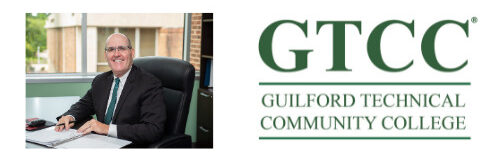
As Guilford Technical Community College (GTCC) celebrates its Family Forward NC® Employer Certification, the institution is strengthening its commitment to creating a supportive environment for faculty and staff.

Dr. Anthony (Tony) J. Clarke, Ph.D., president of GTCC, learned about the certification in 2023 through the Greensboro Chamber of Commerce.  After several months of consideration, he decided to move forward with the process.

His motivation was twofold:

  • He wanted to support the Chamber’s efforts to enhance Greensboro’s reputation as a destination for talent. “We want Greensboro to be a place where people start and continue their careers,” Dr. Clarke says. “By getting certified, we knew we could contribute to the economic development initiatives aimed at strengthening Greensboro’s workforce.”
  • He saw value in taking inventory of GTCC’s existing family-friendly practices. “I knew we were doing a lot of different things, but this certification process allowed us to evaluate our benefits and identify both strengths and potential opportunities for improvement,” Dr. Clarke says.

How healthcare benefits make a big difference

GTCC provides substantial healthcare coverage, contributing $674.62 per month for each full-time employee’s medical insurance. Employees pay as little as $25 or $50 monthly for their coverage, depending on the plan selected and completion of a non-smoking attestation.

“This type of plan would be almost impossible to find outside of state government,” says Dr. Cheryl Bryant-Shanks, associate vice president of human resources at GTCC. “Some of our more experienced employees recognize the value of that. Some of our employees who haven’t worked in many places don’t realize that it is not unusual to pay a few hundred dollars a month for your healthcare.”

In addition, GTCC’s Employee Assistance Program (EAP) provides extensive support that extends to employees’ family members and continues up to 90 days post-employment. Services address a wide range of needs, from mental health concerns like depression and anxiety to practical matters such as childcare referrals, financial wellness, and credit counseling.

Parental leave that supports family bonding

GTCC’s parental leave policy provides eight weeks of paid leave after a parent gives birth to a child and four weeks of paid leave when the qualifying event occurs, which means an employee becomes a parent to a child (through adoption, foster care, and other legal placement).  Employees may use additional accrued paid or unpaid leave beyond these periods with approval, potentially extending their time away to 12 weeks or more while maintaining job security.

“As a college that supports the development of students, we certainly understand the importance of family bonding,” Dr. Bryant-Shanks says. “Also, for nursing moms, we provide spaces across our campuses that are comfortable, private, and have refrigerators for storage.”

Navigating academic flexibility challenges

One of the challenges for educational institutions is balancing workplace flexibility with the demands of face-to-face instruction and student services.

“In academics, everyone is working for the same goal, but the job descriptions and hours for faculty and staff are different,” Dr. Clarke says.

GTCC has implemented creative solutions, including summer hours that allow employees to leave earlier on Fridays during summer months, and a flex-time program for exempt employees. The institution also offers a personal observance day, allowing employees to select a day of personal significance — religious, cultural or otherwise — for paid time off.

What’s next? 

As GTCC refines its approach to supporting employees, Dr. Clarke sees the Family Forward NC® certification as an internal assessment tool and an external recruitment advantage.

GTCC is also looking at ways to measure the impact of their family-friendly policies, potentially modifying their annual employee survey to “get a little more granular into people’s perception of the benefits and how to use them,” Dr. Clarke says.

By placing people at the center of its mission, GTCC continues to create a workplace where employees can bring their best selves to work — ultimately benefiting both staff and the students they serve.

“We help people move forward,” Dr. Clarke says. “And as we say, we make amazing happen.”

Sample Benefits:

  • Medical: Medical insurance is subsidized for employee-only coverage, with employees contributing $25 or $50 per month, depending on the plan option selected and completion of the non-tobacco attestation.
  • Dental: 100% college-paid employee-only dental coverage for eligible employees.
  • Disability Leave: Short-term and/or long-term disability coverage for eligible employees.
  • Employee Support: Mental Health/Employee Assistance Program (EAP).
  • Family Leave: Paid parental leave is up to 8 weeks; employees may use additional accrued paid or unpaid leave (12+) with approval.
  • Health and Wellness: Activities throughout the year (relaxation, healthy eating, yoga, walking club/challenges, financial planning and access to extensive educational resources).
  • Other Leaves: Paid sick, annual, personal leave (for faculty), personal observance leave, and voluntary shared leave (for eligible employees).
  • Regular part-time employees earn leave on a pro-rated basis.
  • Supplemental Retirement: 401(k), 403(b) and NC 457 plans available for all employees.


GTCC Guilford Technical College

5 Marketing Strategies and Tips For Small Businesses

February 6, 2025

Key Takeaways

  • Researching competitors’ pricing and marketing strategies can reveal gaps in the market that a small business can use to its advantage.
  • Setting up and optimizing a free Google Business profile helps businesses appear in local search results and builds credibility with potential customers.
  • Diversifying marketing efforts across both traditional channels and multiple social media formats, including short-form video, helps businesses reach a wider range of customers.
  • Partnering with local influencers and media outlets whose audiences align with a business’s target demographic can build credibility without the cost of national campaigns.
  • Prioritizing a few well-researched, high-quality blogs each month over frequent low-quality content protects a business’s search rankings and reader trust.

If you own a small business in Greensboro, NC, getting your name out is essential for your business’s success. Whether you’re opening up a new bakery or launching a private practice, you need to have a plan for how to reach your target audience. As you focus on improving your advertising efforts, take a moment to review our top marketing tips for small businesses.

How to Market a Small Business: 5 Small Business Marketing Tips

From researching your competition and setting up a Google Business profile to partnering with local influencers and diversifying your marketing channels, you have lots of ways to improve your marketing strategy. If you want to learn more about how to market a small business, review our top five advertising tips for small businesses below:

1. Research Your Competition’s Marketing Efforts

Before you launch your marketing efforts, it can help to know what your competitors are doing to advertise their businesses and how they’re pricing their products or services. For instance, if you find that they’re selling their product for a higher price than you were planning on, you could make your lower prices a key part of your marketing efforts. You could also evaluate how effective a competitor’s marketing strategies have been, using that information to help you know what you should focus on.

Doing this research can also help you find gaps in your competitors’ marketing strategies. If they’re not advertising to consumers you think would actually benefit from your business, you can start focusing on addressing that gap and bringing in new customers. Alongside helping your marketing strategy, you can use competitor information to create a more successful business plan.

2. Set Up a Google Business Profile

Setting up a Google Business is free and one of the easiest ways you can get your business’s name out in your community. With a Google Business profile, you can make sure your business shows up on Google Maps and in search results.

This profile also allows Google users to immediately see your website, hours, location, and phone number, raising the chance they visit your business or browse your site. Make sure to verify ownership and optimize your My Business account to raise the chance your company shows up higher in local search results.

Since Google states that verified businesses are twice as likely to be considered reputable, an added bonus of a Google Business profile is that it helps you gain credibility quickly. Your Google Business profile also makes it possible to interact with customers who left reviews, showing future users that you care about your customers’ experience. Additionally, you can post photos that showcase your products or services to attract consumers to your business.

3. Make Sure You Diversify Your Marketing Efforts

While going through traditional marketing channels can still be effective, you don’t want to pigeonhole your business into a restrictive marketing strategy. For example, if you only promote your business with physical media, like signs, billboards, and print ads, you’ll miss out on reaching lots of customers who are more likely to be swayed via digital marketing efforts.

When you market your business on social media, make sure you have a diverse marketing strategy as well. Don’t get stuck only using one social media platform or one type of content. Since short video content is very popular right now, you wouldn’t want to just produce written content (e.g., blogs, how-to articles, etc.). Instead, you’d want to pair your written content with video content on TikTok, YouTube Shorts, Facebook Stories, and Instagram Reels.

4. Collaborate With Local Influencers and Media Outlets

Unless you’re a national brand, it’s probably not worth paying a celebrity or influencer to advertise your products or services. However, collaborating with local influencers can be well worth it, as they’ll give your business credibility with followers who actually live in your city. Before you collaborate with an influencer, make sure their audience matches your target demographic and that the influencer matches your brand values.

Even though legacy media outlets aren’t as popular as they once were, it can still be worth engaging with them. Whether you take out an ad in your local newspaper, do an interview with your news station, or have your CEO appear on a local radio station, reaching out to local media makes sure more people start to notice your business. Additionally, many local media options can be free or low-cost, meaning you won’t be taking much of a financial risk, if any.

5. Put Quality Ahead of Quantity Online

When you’re working on your online marketing strategy, you might be tempted to try to create as many blogs as you can to start getting your business to rank higher. While it’s great to have a strong web presence, many businesses try to off-source their articles and other types of content to LLMs, like ChatGPT, or they try to have one person write more blogs than they can handle a day.

Both options often lead to low-quality work, inaccurate information, and lost trust from potential clients or customers. Search engines like Google also penalize sites that publish low-quality content and have spammy practices, causing these sites to rank lower in search results.

As you drive traffic to your website with original content, focus more on producing a few high-quality, well-researched blogs or articles every month rather than multiple blogs a day. You’ll usually want to stick to blog topics that relate to your business, and it can pay to work with SEO experts who can find the right keywords to target and help you develop a more effective online marketing strategy.

Turn to the Greensboro Chamber of Commerce for Small Business Marketing Advice

If you’re looking for more small business marketing advice in Greensboro, the Greensboro Chamber of Commerce can help. We regularly host networking events where new business owners can connect with marketing professionals and other business owners to pick their brains about advertising. Launch Greensboro also includes multiple programs designed to help small business owners develop an effective marketing strategy. With our many resources and network of local entrepreneurs, we’re confident we can support your business’s growth.

Learn more about Launch Greensboro today. If you have any questions about the ways we can help you improve your marketing efforts, please contact us.

How to Start a Business in North Carolina

January 31, 2025

If you’d like to start a business in North Carolina, it can be overwhelming to think about, especially if you’re not even sure what type of business you want to start. Once you know what steps to follow, however, starting a business in North Carolina isn’t all that difficult, with the state very friendly to entrepreneurs (NC has a 2.5% corporate tax rate, the lowest in the country!).

Whether you’re looking for a new business idea or want to know what you should do to launch your business, review our guide to starting a business in North Carolina.

What Is a Good Business to Start in North Carolina?

Small business entrepreneurs have lots of exciting opportunities in North Carolina. If you’re still trying to decide what your business should do, review the following business types that are perfect for entrepreneurs early in their careers:

  • Moving Company
  • Professional Services (e.g., doctors, architects, engineers, dentists, geologists, and social workers can all start a Professional Limited Liability Company).
  • Bed & Breakfast
  • Recruiting Agency
  • Virtual Assistant Business

Regardless of the type of business you start, you’ll be in the right state to do it, as CNBC has named North Carolina one of the top three states to do business in for five years straight.

Do You Need a Business Plan to Start a Business in North Carolina?

Small business entrepreneurs need a business plan before they launch their company in North Carolina. This type of plan will give your business a direction to follow, guiding your business’s growth and helping you meet challenges. A detailed business and financial plan should include the following information:

  • The product or service your business plans to offer
  • The amount of funding you have, where that funding is coming from, and how much it’ll cost to launch and run your business
  • Your business’s primary competitors
  • The target audience of your business and how large that audience is

Does a New Business in North Carolina Need a Business Name?

Before you register your business, you need a name for it. The best business names will let customers know what your business does while also being unique enough that the name doesn’t get lost in the crowd. You’ll also want to look up competitor names to get a sense of naming conventions in your industry and how professional-sounding your business’s name needs to be.

Once you have a name, you need to do a business name search to make sure someone else doesn’t already have the same name. You can conduct your search here.

Where Can You Receive Funding From a New Business?

If you have enough personal savings to launch your business and fund operations for a stretch of time, you’ll likely want to stick to those funds so that you can retain full ownership and control of your business. However, most small business entrepreneurs will need funding from outside sources. Besides personal funds, you can receive funding from the following sources:

  • Family and Friends
  • Small Business Loans
  • Small Business Grants
  • Outside Investors (e.g., other entrepreneurs and venture capitalists)

How to Register a Business in North Carolina

Once you’ve decided on a small business idea, have a name, and know your funding sources, it’s time to register it. During registration, you’ll need to decide whether your business is a Sole Proprietorship, Limited Liability Company (LLC), a C corporation, a Nonprofit, or a Doing Business As (DBA). Each option has different benefits and requirements, so do your research first and talk to other business owners before deciding.

Next, you’ll officially register the business with the North Carolina Secretary of State. When you register your business, you’ll need to file paperwork that contains information about basic business details, the business’s name, and the registered agent.

How to Start a Business in North Carolina After You Finish Registering

Once you’ve finished registering your business, you’ll need to follow the rest of North Carolina’s requirements for launching a business. Based on nc.gov’s page on starting a business, new businesses must do the following after registering:

  • Obtain necessary licenses and permits
  • If applicable, apply for sales and use tax number
  • Apply for an Employer Identification Number
  • Prepare for any applicable taxes
  • Obtain insurance
  • Comply with regulations (E.g., OSHA, ADA, and Environmental Regulations)
  • Arrange for business financing
  • Open a business bank account
  • Protect your business’s intellectual property

What Should You Do After You’ve Launched Your Business?

Once you’ve launched your business and have started its operations, one of the best ways you can continue to improve is by working with your local Chamber of Commerce. For instance, the Greensboro Chamber of Commerce is dedicated to serving small business entrepreneurs in Greensboro, NC. Some of the ways the Greensboro Chamber of Commerce helps business owners include:

FAQs About Starting a Small Business in North Carolina

Do I Need A General Business License In North Carolina?

North Carolina has no statewide “general” license. Requirements vary by industry and locality.

Most businesses check state/occupational licensing and any city or county permits before opening. NCBOLD lists state-level licenses.

How Do I Check If My Business Name Is Available in NC?

Search the NC Secretary of State’s Business Registry to confirm your name is unique before you file.

From there, you can reserve or proceed to formation, reducing the risk of rejections, delays, and costly rebranding. Search your name here.

What Is An Assumed Business Name (DBA) And Where Do I File?

File an assumed business name (DBA) with your county Register of Deeds. After, it will appear in a statewide database.

Because filings are searchable across counties, you can operate under your chosen name in multiple counties without duplicate paperwork.

Does a Business Need A Registered Agent in North Carolina, And Can I Be My Own?

Every LLC or corporation must keep a North Carolina registered agent, but you may serve as your own.

The agent must have a physical NC street address and be available during business hours to receive legal documents.

How Do I Get A Free Federal EIN?

Apply for a free EIN at IRS.gov only, and avoid third-party sites that charge fees.

After you apply for an EIN and receive approval, you can use the EIN to open bank accounts, hire employees, and handle federal and state tax registrations.

When Do I Register For Sales & Use Tax Or Withholding?

Register with NCDOR if you will collect sales tax or if you have employees for state withholding.

After you finish registering with NCDOR, you can collect and remit sales tax properly and withhold payroll taxes, helping you avoid penalties and interest.

What Are NC Annual Report Deadlines And Fees?

LLC reports are due April 15. Corporations file on the 15th day of the fourth month after fiscal year end.

Building a reminder system helps you avoid late fees and potential administrative dissolution for missed filings.

When Do I Need to Pay For Unemployment Taxes?

Businesses must pay for unemployment taxes if you pay $1,500+ in a quarter or employ 1+ worker for 20 weeks.

If you need to pay for unemployment taxes, you’ll file quarterly wage reports and pay contributions through the state’s employer system.

Do I Need Workers’ Compensation Insurance?

Most employers must carry workers’ compensation when they have three or more employees, with limited exceptions.

Coverage helps protect your team and your business by paying for work-related injuries and complying with state law.

Join the Greensboro Chamber of Commerce

Launching a business is incredibly rewarding, but it can also be stressful if you do it alone. The Greensboro Chamber of Commerce understands the pressures on small business entrepreneurs, and we have a lot of resources to help. Whether you’re interested in taking a small business class or are looking for entrepreneurs near you in Greensboro to network with, we have you covered.

Learn more about our entrepreneurship programs and other entrepreneurship resources today. If you have any questions, you can call us at (336) 387-8301.

How to Obtain a Certificate of Origin for North Carolina Businesses

January 15, 2025

If you own a business that ships products internationally, you’ll need a Certificate of Origin for the products you plan to ship out of the United States. These certificates are vital for global trade, helping businesses sell their goods internationally and governments better control the flow of trade into their countries. As you prepare to ship your products from North Carolina to another country, you should know how to obtain a Certificate of Origin from your local Chamber of Commerce.

What Is a Certificate of Origin for a Business?

A Certificate of Origin is an important document used in international trade. This document shows which country an imported good comes from, determines whether a product qualifies for preferential treatment under trade agreements, and verifies that businesses are following tariff and customs requirements. It also confirms that goods aren’t being imported from countries under trade sanctions or other restrictions. Finally, a Certificate of Origin protects worker’s rights by verifying that products haven’t been produced under exploitative or unethical conditions.

In the United States, most Certifications of Origin are digital and issued by a Chamber of Commerce. To receive one, you’ll need to register with your local Chamber of Commerce, apply for a Certificate of Origin, and wait for your local chamber to verify your Certificate of Origin and issue it to you.

How to Obtain a Certificate of Origin in North Carolina

If you need a Certificate of Origin, you can follow a few simple steps to receive one. Below, you can find the six steps for receiving and using a Certificate of Origin in North Carolina below:

1. Find Your Local Chamber of Commerce

Since Chambers of Commerce are responsible for issuing Certificate of Origin documents, you’ll want to start by visiting your local chamber’s website or office to see how they can help. Your local Chamber of Commerce should provide you with the necessary documentation and provide instructions on how to complete your application.

If you have a business in Greensboro, North Carolina, the Greensboro Chamber of Commerce has a Certificates of Origin program to help local businesses. While visiting this program’s page, you can find out how to register and apply for a Certificate of Origin electronically or through the Greensboro Chamber of Commerce’s office.

2. Register Your Business With Your Chamber of Commerce

Your next step will be to register your business with your local Chamber of Commerce. Since most chambers provide electronic Certificates of Origin, you can likely register online.

3. Apply for the Certificate of Origin

After you’ve registered your business with your local chamber, you should be able to submit an application for a Certificate of Origin through your local chamber’s online system. While filling out the application, you’ll need to provide information about the importer’s and exporter’s details, the goods being shipped, and the country of origin.

If you’re importing identical goods over multiple importations, you’ll need to apply for a blanket certificate, so you don’t have to apply for multiple COAs for identical goods. This blanket certificate will allow you to import identical products over a 12-month period without having to apply for another COA.

4. Wait for Your Chamber of Commerce to Review Your Application

Once you’ve turned in your Chamber of Commerce Certificate of Origin application to your local chamber, you’ll need to wait for them to review it. While they review it, they’ll make sure your product meets various international guidelines and rules for trade. Part of their verification process will involve checking that all your documentation is completed and verifying that your goods were actually produced where you said they were.

5. Receive Your Certificate of Origin

After your local chamber has verified your Certificate of Origin application, they’ll issue a Certificate of Origin to you electronically. When you first receive your certificate, it will have a unique identification number, and you’ll likely have to enter a QR code for verification.

6. Wait for the Importing Country to Verify Your Certificate of Origin’s Authenticity

Before the country you’re exporting your goods to lets you bring your products across their borders, they’ll check that your Certificate of Origin is authentic. Typically, they’ll just need to scan the Certificate of Origin’s QR code or enter its unique identification number while using the Internal Chamber of Commerce’s verification platform for Certificates of Origin. After verifying the authenticity of your certificate, the importing country should allow your goods to be shipped to customers or distributors within their borders.

Receive a Certificate of Origin Through the Greensboro Chamber of Commerce

If you have a business based in Greensboro, NC, and need a Certificate of Origin, the Greensboro Chamber of Commerce can help. Our Certificate of Origin program makes it easy for businesses to register their business and apply for a Chamber of Commerce Certificate of Origin online. When you’re a member of the Chamber, our Certificates or Origin cost $25, while non-members can receive one for $50. Alongside providing Chamber-stamped Certificates of Origin, our collaboration with the American World Trade Chamber of Commerce allows us to offer other export-related documents.

Learn more about our Certificates of Origin program and register your business today. If you have any questions about your registration or application, you can call us at (336) 387-8301.

What to Look for in a Small Business Class

November 12, 2024

Key Takeaways

  • The most valuable small business classes offer material directly relevant to a business’s industry or specific weaknesses, rather than generic content.
  • Instructors with real-world business experience and a strong track record in their field make a class more credible and worth attending.
  • Classes that build in dedicated networking time, especially in-person, help business owners form lasting connections with other local entrepreneurs.
  • Checking for testimonials, reviews, or direct conversations with past attendees can reveal whether a class actually leads to business success.
  • Post-class resources like recordings, guides, or ongoing mentorship help business owners keep applying what they learned long after the course ends.

Whether you’re a seasoned business owner or just getting started, a small business class can be a great way to develop your skills, network with other leaders, and improve your business’s operations. As a business owner, however, you’re likely busy and don’t want to waste your time in classes or business seminars that won’t help.

Fortunately, you can narrow your search and ensure you attend a class worth your time by knowing a few qualities to look for in excellent small business classes.

5 Things to Look for in Small Business Classes

Maximizing the value you receive from a small business class begins with knowing what to look for. For example, making sure the material is relevant and the instructor has relevant experience can both be ways to verify the class will be actually useful to you. As you search for a class, review the top five qualities to look for in a small business class below:

1. Material Relevant to Your Business or Weaknesses

While it might seem obvious, the first thing you should look for in a small business class is its relevance to your business. Typically, you’ll get more out of the class if you choose one that aligns with your industry or the specific challenges you face in your business. For example, a small retail business may benefit from a class that focuses on inventory management and e-commerce strategies, while a service-based business might need more guidance on client acquisition or project management.

Alongside looking for classes that focus on your industry, it can be beneficial to consider your weaknesses. For example, if you make a great product but struggle to sell it, taking a class on marketing could help you address the issue and better advertise your product to your target customers.

2. Educators With Strong Backgrounds in Your Field

A good small business class should have an experienced and knowledgeable teacher. After all, you don’t want to show up to a class only to realize that the instructor doesn’t have any real-world experience running a business.

Before you sign up for a course, read over the bios of featured speakers and educators for the class. You might also want to look them up online to learn more about their accomplishments, grants they’ve received, past business seminars they’ve spoken at, and their experience with the subject matter they’re teaching. If you can find online reviews for past versions of the class that mention the instructor’s quality, checking them can be useful for deciding if the class is worth your time and money.

3. Opportunities to Network With Other Business Owners in Your Area or Industry

Success often comes down to who you know, and a small business class should encourage you to connect with other attendees. Meeting other local business owners can help you better understand your community and create long-standing relationships that could lead to collaboration. Additionally, it can give you the chance to develop a support network of other like-minded business owners who are dedicated to improving their businesses just like you.

If the class doesn’t take place in your area, it can still be useful to meet other business owners in your industry. They can likely give you new insights on how to grow your business, attract new customers, receive a business license, acquire talent, and better manage your finances or operations. Since networking can be so beneficial, check if the class provides time to mingle and has dedicated networking times. In-person classes may also be more useful for networking than those offered virtually.

4. Track Record of Helping Business Owners Succeed Following the Course

Another way to verify that a class will provide you with valuable information is to see if past attendees have gained greater success after completing the class. A good class will usually advertise success stories or have a testimonials section on their website to showcase how past students have applied what they learned to their business. If the class has online reviews, review them for any red or green flags.

If possible, speaking with past attendees is a great way to get a more accurate perspective on the class. Whether it’s talking to other business owners who have taken the class or requesting contact information of past attendees from the course, doing your due diligence can be well worth it. By knowing the pros and cons of the class, you can make a well-informed decision about whether to attend.

5. Resources and Opportunities for Post-Class Support

When you’re looking for a class, see if they offer resources you can take with you after the course is over. For example, recordings of lectures, copies of PowerPoints, and any guides they’ve presented can all be useful to remind yourself of what you learned years after taking the course. You might also want to attend a class that provides additional readings and materials that you can take advantage of to learn more about the topic after the class ends.

Classes that offer some form of support after the class ends can also help you continue to apply the material you learned to your business. Post-class support might include an opportunity to meet with other past students monthly to hold each other accountable. Some instructors might also offer mentorship opportunities, which can be incredibly useful when you’re still learning the ropes.

Attend a Small Business Class at the Greensboro Chamber of Commerce

At the Greensboro Chamber of Commerce, we’re dedicated to helping small business owners and entrepreneurs through a variety of classes and networking events. Our LaunchCamp and LaunchLab 101 are two programs perfect for those who need assistance starting a business. If you’re looking for help growing your business, LaunchLab Growth is a 14-week entrepreneurship program focused on accelerating a business’s growth. Scale to Excel is another flagship program that offers minority business owners the chance to receive executive education, management know-how, and a business support system.

Learn more about Launch Greensboro and our other small business advisory programs today. If you have any questions about our educational programs, please contact us.

A Guide to Greensboro Networking: Everything You Need to Know

October 3, 2024

Key Takeaways

  • Greensboro’s business networking culture, especially through Chamber events, emphasizes building long-lasting connections rather than quick, transactional introductions.
  • Coffee & Conversation combines networking with education on topics like talent development, entrepreneur support, and economic growth, meeting monthly at Sagewell Health & Fitness.
  • WE Connect is the Chamber’s women-led networking group, focused on empowerment and leadership development for female-identifying professionals in Greensboro.
  • Business Round Tables, including the quarterly Rise & Connect breakfast series, group business leaders by company size for peer-focused conversations.
  • On the Go gives members a members-only way to explore different local businesses while building new connections at each stop.

Whether you’re a seasoned business leader or a young professional based in Greensboro, North Carolina, you’ll want to take advantage of the city’s many networking events and groups. As you search for networking opportunities in Greensboro, take a moment to learn more about how the Greensboro Chamber of Commerce helps business leaders, community members, and professionals connect!

What’s the Business Networking Culture Like in Greensboro?

Greensboro has a welcoming and vibrant business networking culture where you can grow professionally and meet others who will inspire you to reach new heights. Unlike traditional networking events, where you might meet someone quickly and exchange business cards before moving on, networking events hosted by the Chamber of Commerce focus on developing long-lasting connections. Due to this focus, we offer multiple chances for community members, business leaders, and professionals to meet and support one another.

How to Find Greensboro Networking Events and Groups

When you’re looking for Greensboro networking groups, the Greensboro Chamber of Commerce is ready to help. We regularly host networking events and groups you can attend, such as Coffee & Conversation, Lunch with Leaders, and WE Connect. If you’d like to stay up to date on the latest Greensboro networking groups and events, review our networking page and keep an eye on our event calendar.

Networking Events in Greensboro, NC

Whether you’re interested in growing professionally, connecting with other business leaders, or finding new career opportunities, you can take advantage of many networking events in Greensboro. Review our top Greensboro networking groups and events below:

1. Coffee & Conversation

Held monthly and sponsored by Cone Health, Coffee & Conversation combines educational programming with networking to give attendees an opportunity to connect with others and learn more about important economic issues affecting Greensboro. At these meetings, community members, organizations, and businesses discuss a wide range of topics, such as the following:

  • Talent development
  • Entrepreneur support
  • Local agendas
  • Economic growth
  • City and county-wide initiatives

During the networking portion of these meetings, participants are encouraged to share information about their business or organization. By sharing this information with one another, attendees can receive invaluable advice, connect with like-minded business leaders, and create meaningful connections with community members. If you’re interested in attending, Coffee & Conversation is held at Sagewell Health & Fitness on the third Thursday of every month.

2. WE Connect

WE Connect is the Greensboro Chamber of Commerce’s women’s networking group that aims to maximize the impact of strategic connections and strong leadership for women in Greensboro. As a women-led group, all of the topics discussed at this networking group are chosen for women, by women. Typically, meetings focus on empowerment, leadership development, and education.

If you’d like to attend, WE Connect usually takes place once a month and is hosted at the Greensboro Chamber of Commerce. Additionally, meetings are open to all female-identifying individuals.

3. On the Go

On the Go is one of the Chamber’s most popular networking series, and it works a little differently than a standing meeting. Each event visits a different local business, giving members a chance to see a new space firsthand while making connections with the people who work there.

This members-only series runs regularly throughout the year, with each stop offering a preview of where the series heads next. If you want to discover businesses you might not otherwise walk into, On the Go turns that discovery into a built-in networking opportunity.

4. Business Round Tables

Not every business faces the same challenges, and the Chamber’s Business Round Tables reflect that. These quarterly peer groups are organized by company size, so participants are talking with others navigating similar decisions rather than a broad mix of unrelated business types.

The Round Table series includes:

  • Small Business Round Table: Built for owners and operators managing the day-to-day realities of a small team and limited resources.
  • Middle Market Round Table: Designed for leaders scaling past the early stages, often balancing growth with more complex operations.
  • Large Business Round Table: A space for leaders at larger organizations to compare notes on enterprise-level challenges.
  • Business Leader Round Table: A peer group for business leaders, meeting on the same quarterly rhythm as the other tiers.

Each tier meets quarterly, giving participants a recurring touchpoint with the same group of peers rather than a one-off conversation. Check the Chamber’s events calendar for your tier’s next date.

5. Women’s Executive Connection

Women’s Executive Connection is the Chamber’s annual event spotlighting women making an impact in Greensboro’s business community. The day combines panels, keynotes, and interactive sessions with local and national women leaders speaking on relevant business topics.

A highlight of the event is the presentation of the ATHENA Award, recognizing leadership and community impact. For women looking for a higher-profile networking opportunity beyond WE Connect’s monthly meetings, this annual event offers a chance to connect with leaders across industries in a single day. Check the Chamber’s events calendar for this year’s date.

6. Membership 101

If you’re new to the Chamber or considering joining, Membership 101 is a low-pressure way to get oriented. Staff members walk through what the Chamber does, answer questions, and share upcoming opportunities to get involved.

It’s less a networking event than a starting point, but it’s worth mentioning here since it’s often the first place new members meet Chamber staff and other members face-to-face before diving into the Chamber’s other networking programs. Sessions run regularly, so check the Chamber’s events calendar for the next one.

7. Leadership Greensboro Alumni Network

With more than 1,700 graduates, Leadership Greensboro’s alumni network gives past participants an ongoing way to stay connected. The LG Alumni Council organizes lunch and learns, networking events, and family-friendly gatherings throughout the year, keeping graduates linked to each other and to the current class.

If you’ve completed the Leadership Greensboro program, staying connected with the Chamber keeps this network active well beyond your nine months in the program.

Find Greensboro Networking Groups and Events with the Chamber

When you’re looking for additional support and the opportunity to network with other professionals, turn to the Greensboro Chamber of Commerce. We’re always looking for new ways we can help businesses, professionals, and community members connect with one another and grow together. Alongside the networking groups we highlighted above, we offer various talent development resources you can use to grow as a young or seasoned professional!

Learn more about our networking opportunities. If you have any questions or want to find an event, please review our calendar.

Talent Retention: NC’s Economic Update on Family-Friendly Workplaces

October 3, 2024

Key Takeaways

  • 50+ business leaders attended the North Carolina Economic Update discussion featuring Chris Chung of the Economic Development Partnership of North Carolina.
  • Childcare access is one of the most significant barriers to workforce participation, and 90% of a child’s brain develops in the first five years of life.
  • First Bank has attracted high-level talent willing to accept pay cuts in exchange for a more supportive, family-friendly work environment.
  • Procter and Gamble used the required Family Forward NC employee survey to gather data and adjust shift schedules, helping attract more women to its manufacturing workforce.
  • More than 18,000 employees in Greater Greensboro now work for Family Forward NC Certified businesses.

More than fifty business leaders recently attended our “North Carolina Economic Update” discussion with Chris Chung, Executive Director of the Economic Development Partnership of North Carolina. The event also featured a panel discussion with Family Forward NC Certified Employers, including:

  • Gary Graham, President, Graham Personnel Services
  • Elizabeth Bostian, Chief Financial Officer, First Bank
  • Damali Orozco, HR Senior Director, Procter and Gamble
  • Theresa Roedersheimer, Executive Director, NC Early Childhood Foundation

The message was clear: Family-friendly workplaces aren’t just a nice perk — they’re the bedrock of North Carolina’s strong community and competitive economy.

“What we’ve learned as an industry in the economic development sector is that childcare is probably one of those most pronounced barriers that hold people back from employment,” Chung says.

Roedersheimer, Executive Director at NC Early Childhood Foundation, added early childhood development plays a role in shaping future workforce capabilities because 90% of a child’s brain develops in the first five years of life.

“Forming secure relationships and having a safe place for your child to go when you’re at work matters so much,” Roedersheimer. “Just having the child know that when their caregiver drops them off and is going to come back — and they feel safe and happy where they’re at — can make a big difference in a child’s life.”

Access to quality child care matters so much because in North Carolina, almost 70% of young children aren’t reading proficiently by the end of third grade, she said. This underscores the importance of supporting families and providing access to quality early childhood education.

Real Stories, Real Impact

The panelists shared the challenges and successes of creating workplaces where parents and caregivers can succeed.

Bostian, Chief Financial Officer at First Bank, shared her journey as a working mom, navigating the balance of career and family. She emphasized the importance of a supportive culture, where employees feel empowered to voice their needs without fear of judgment.

“We’ve created a culture where everyone knows they can say what they need,” Bostian says. “These policies have created a place where people are proud to work. I also encourage fellow leaders to mention their children at work because we need to set the tone that models work-life balance.”

This attitude has led to improved talent acquisition and retention. Bostian said they’ve been able to attract high-level talent from competitors because people are willing to take pay cuts for a more supportive work environment.

“We’re getting a ton of talent from people leaving their old jobs — and willing to accept a pay cut because they know they’ll be treated like human beings with lives outside of their job,” Bostian says.

Orozco, HR Senior Director at Procter and Gamble, said what was most rewarding about going through the certification process was having employees fill out the Family Forward NC employee survey. This survey is required for certification.

“The survey gave us a lot of deep insights that we wouldn’t normally have,” Orozco says. “Now, we have a data set that we can use to build awareness among leaders, managers and employees.”

Because Procter and Gamble’s workforce is 70% men, they wanted to attract more women to the industry. But in the manufacturing industry, the hours typically aren’t traditional or consistent, which can be tough for working moms.

“One of the biggest changes we made was adjusting our shift schedule,” Orozco says. “Instead of rotating days and nights — which was a big competitive disadvantage — we changed it to a fixed schedule.”

Graham, President of Graham Personnel Services, encouraged fellow business leaders to get certified because he’s seen first-hand how it has helped his company grow.

“How can your people take care of your customers if they’re worried about their family? The answer is clear: They can’t,” Graham says. “Talent has the choice. And so I think everyone who is looking to acquire, keep and engage talent — taking care of your people is a core piece of that. We’ve seen a lot of positive revenue growth. And I think a lot of that has to do with the way we treat our people.”

Graham also highlighted the value of the certification process because it caused him to look more closely at internal company policies and make some positive changes for employees. He encouraged employers to apply.

“Getting certified is an easy, straightforward process and it can happen quickly,” Graham says. “I would encourage all business leaders to learn more about getting certified.”

Get Certified! 

So far, more than 18,000 employees in Greater Greensboro work for Certified businesses. Do you want to join the list? Learn more.

We know and grow Greensboro.